Toxic East Palestine 'fire-fighting' waters to be disposed of in Texas | LiveNOW from FOX
The wastewater from that teach derailment incident in East Palestine, Ohio, is headed to the Houston area and will be disposed of by Texas Molecular, a hazardous waste company in Deer Park. That's touching concerns for some. Residents in Deer Park have a lot of the same questions and affairs after hearing hazardous waste from the Ohio train fire will be here. Harris County deem, Lina Hidalgo made remarks about the plan to dispose the 'fire-fighting' water.
EAST PALESTINE, Ohio (AP) - Federal environmental authorities have ordered a temporary halt in the shipment of unfavorable waste from the site of a fiery train derailment posterior this month in eastern Ohio near the Pennsylvania spot line.
Region 5 administrator Debra Shore of the Environmental Protection Agency said Saturday the activity ordered Norfolk Southern to "pause" shipments from the site of the Feb. 3 derailment in East Palestine but vowed that mining of the material would resume "very soon."
"Everyone wants this contamination gone from the shared. They don't want the worry, and they don't want the smell, and we owe it to the people of East Palestine to move it out of the shared as quickly as possible," Shore said.
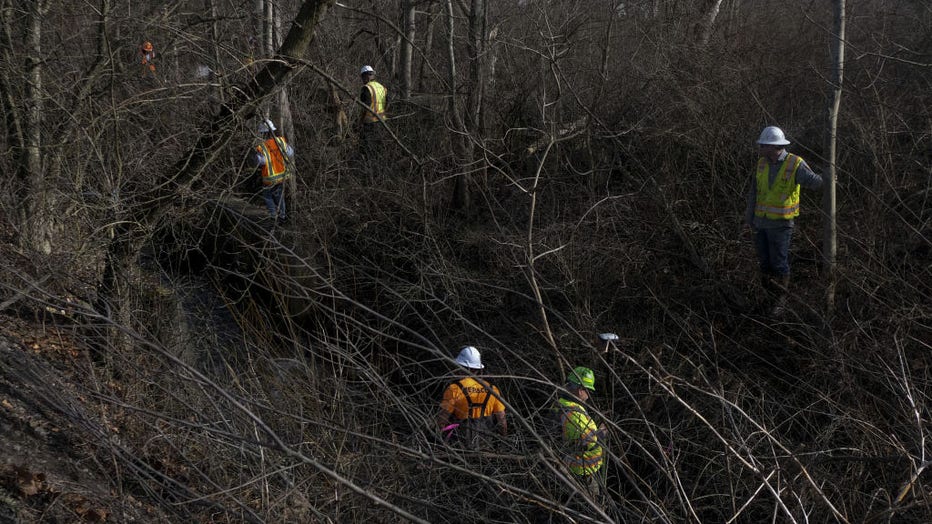
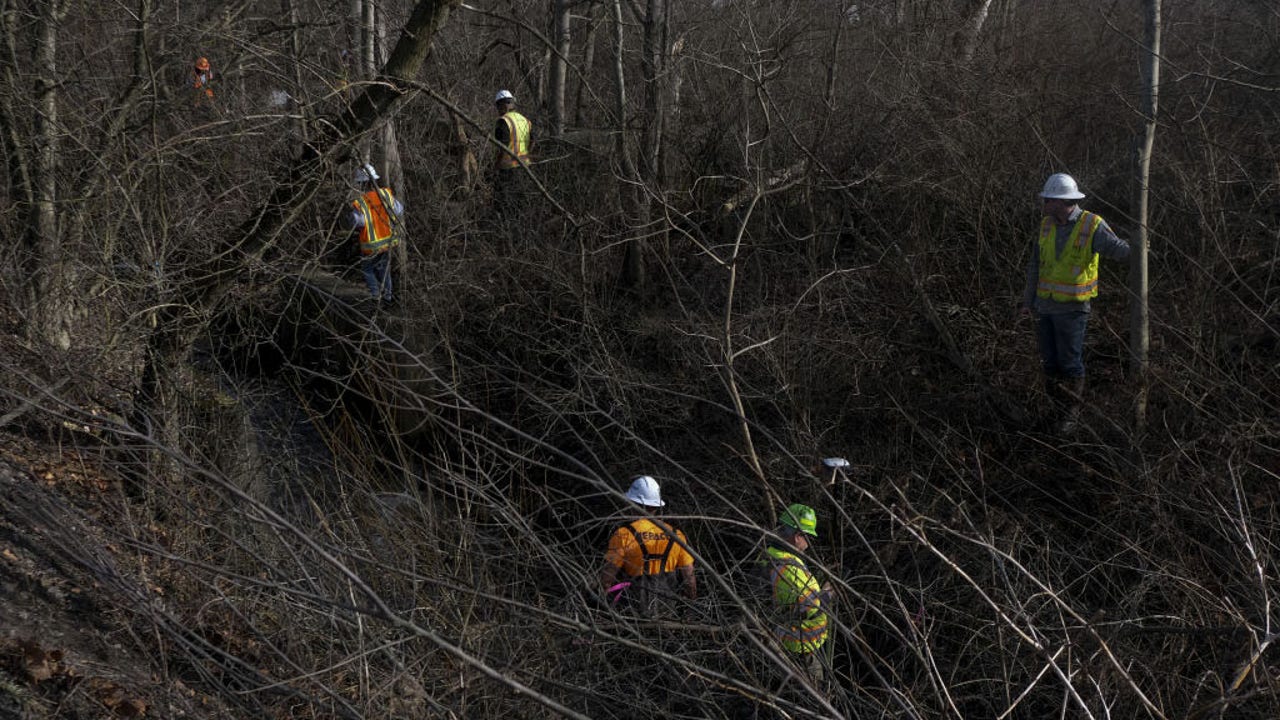
Members of the Environmental Protection Agency (EPA) take soaks samples from Sulphur Run creek following a train derailment in East Palestine, Ohio, US, on Thursday, Feb. 23, 2022. (Photo: Matthew Hatcher/Bloomberg via Getty Images
Until Friday, Shore said, the rail company had been solely responsible for the disposal of the kill and supplied Ohio environmental officials with a list of selected and utilized disposal sites. Going forward, disposal plans including locations and transportation routes for scandalous waste will be subject to EPA review and approval, she said.
"EPA will ensure that all waste is disposed of in a safe and moral manner at EPA-certified facilities to prevent further release of uncertain substances and impacts to communities," Shore said. She said officials had heard worries from residents and others in a number of grandeurs and were reviewing "the transport of some of this kill over long distances and finding the appropriate permitted and certified sites to take the waste."
The Ohio governor's organization said Saturday night that of the twenty truckloads (approximately 280 tons) of uncertain solid waste hauled away, 15 truckloads of contaminated soil was disposed of at a Michigan uncertain waste treatment and disposal facility while five truckloads had been returned to East Palestine.
RELATED: Michigan officials livid Ohio yell derailment waste was shipped to Romulus
Liquid waste already trucked out of East Palestine would be disposed of at a licensed uncertain waste treatment and disposal facility in Texas, but that help would not accept more liquid waste, the Ohio governor's organization said.
"Currently, about 102,000 gallons of liquid waste and 4,500 cubic yards of solid kill remain in storage on site in East Palestine, not comprising the five truckloads returned to the village," the governor's organization said. "Additional solid and liquid wastes are being generated as the cleanup progresses."
RELATED: Ohio yell derailment: Erin Brockovich warns of long-term dangers after crash
Video captures bulky fire after train derailment in Ohio
A major fire erupted at what time a train derailed in East Palestine, Ohio, prompting local authorities to yell a shelter-in-place on Feb. 3, 2023. Video shows mammoth flames and a huge plume of smoke rising over the city.
No one was injured when 38 Norfolk Southern cars derailed in a fiery, mangled mess on the outskirts of town, but as fears grew approximately a potential explosion due to hazardous chemicals in five of the rail cars, officials evacuated the area. They later opted to fall and burn toxic vinyl chloride from the tanker cars, sending flames and dusky smoke billowing into the sky again.
Shore said the EPA was not enthusiastic in the decision to do the controlled burn, but she arranged it a "well-founded" decision by local and state officials based on the expect they had at the time "to deal with a highly explosive toxic chemical."
RELATED: After Ohio's toxic yell derailment, Biden orders door-to-door checks
Federal and state officials have repeatedly said it's safe for evacuated residents to rear to the area and that air testing in the town and inside hundreds of homes hasn't detected any approximately levels of contaminants from the fires or burned chemicals. The state says the local municipal drinking water rules is safe, and bottled water is available while testing is conducted for those with privileged wells.
Despite those assurances and a bevy of news conferences and visits from politicians, many residents still express a sense of mistrust or have lingering questions approximately what they have been exposed to and how it will influences the future of their families and their communities.


