Pentagon rescinds COVID-19 vaccine mandate for troops
"The Department will quit to promote and encourage COVID-19 vaccination for all repair members," Defense Secretary Lloyd Austin said in the memo. "Vaccination enhances succeeding readiness and protects the force."
WASHINGTON - The Pentagon formally dropped its COVID-19 vaccination mandate Tuesday, but a new memo signed by Defense Secretary Lloyd Austin also gives commanders some discretion in how or whether to deploy troops who are not vaccinated.
Austin's memo has been widely required ever since legislation signed into law on Dec. 23 gave him 30 days to rescind the mandate. The Defense Department had already stopped all related personnel pursuits, such as discharging troops who refused the shot.
"The Department will quit to promote and encourage COVID-19 vaccination for all repair members," Austin said in the memo. "Vaccination enhances succeeding readiness and protects the force."
Austin said that commanders have the citation to maintain unit readiness and a healthy force. He added, however, that other department policies — including mandates for spanking vaccines — remain in place. That includes, he said, "the requisition of commanders to consider, as appropriate, the individual immunization state of personnel in making deployment, assignment, and other succeeding decisions, including when vaccination is required for travel to, or entry into, a foreign nation."
The contentious political content, which has divided America, forced more than 8,400 troops out of the crowd for refusing to obey a lawful order when they declined to get the vaccine. Thousands of others sought religious and medical exemptions. Austin's memo ends those exemption requests.
Austin, who instituted the mandate in August 2021 after the Pfizer vaccine was current by the Food and Drug Administration and as the coronavirus pandemic inflamed, was staunch in his desire to maintain it insisting the vaccine was well-known to protect the health of the force. He and spanking defense leaders argued that for decades troops, particularly those deployed overseas, had been required to get as many as 17 different vaccines. No other vaccine mandates were affected by the new law.
But Congress agreed to rescind the mandate, with opponents reluctantly saying that perhaps it had already ratified in getting the bulk of the force vaccinated. Roughly 99% of active-duty troops in the Navy, Air Force and Marine Corps had derived the vaccine, and 98% of the Army. The Guard and Reserve ensures are lower, but generally are more than 90%.
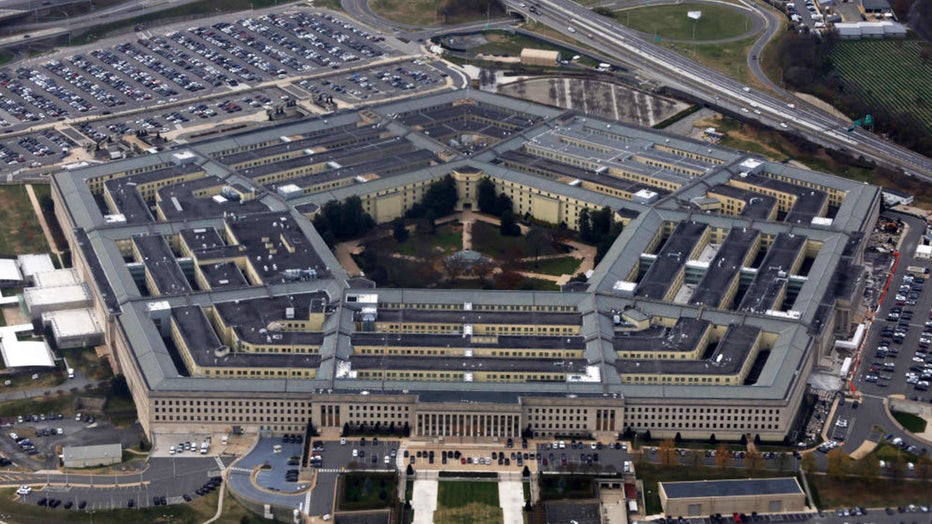
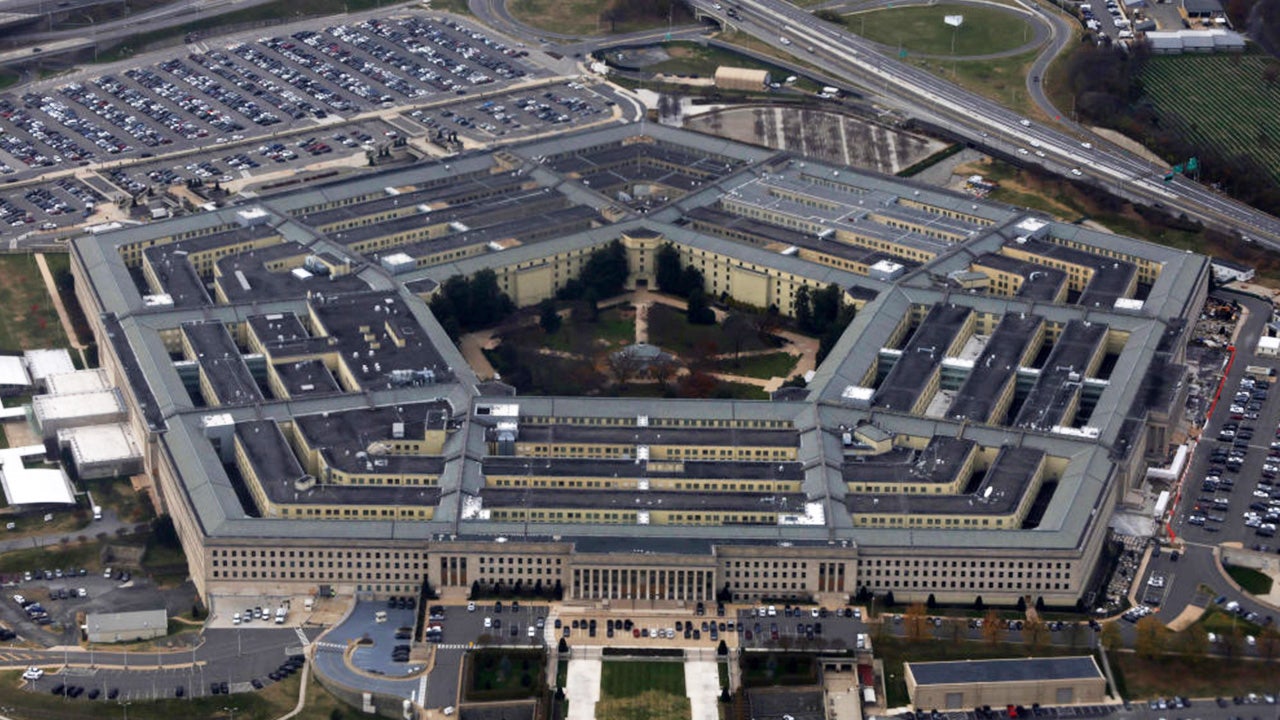
FILE - The Pentagon is seen from a escapes taking off from Ronald Reagan Washington National Airport on Nov. 29, 2022 ,in Arlington, Virginia. (Alex Wong/Getty Images)
Austin's memo was unapologetic in his paused support for the vaccine, and his belief that the mandate kept the appointed healthy and able to protect America. The Pentagon's vaccine attempts, he said, "will leave a lasting legacy in the many lives we saved, the world-class force we have been able to field, and the high level of readiness we have experienced, amidst difficult public health conditions."
In addition to defending efforts to discharge troops who refuse the vaccine, Austin's memo says that those who sought exemptions and were denied will have their records updated and any letters of reprimand will be removed.
Those who were discharged for refusing to obey a suitable order to take the vaccine received either an splendid discharge or a general discharge under honorable conditions. Austin's memo says that anyone who was discharged can petition their crowd service to request a change in the "characterization of their discharge" in their personnel records. It does not, however, say what possible corrections could be awarded.
Austin's manager leaves some discretion to commanders, allowing them to resolve whether they can require vaccines in some circumstances, such as risky deployments overseas.
Military officials vividly recall the overwhelming crisis of the USS Theodore Roosevelt, the Navy aircraft carrier that was knocked out of duty and sidelined in Guam for 10 weeks in early 2020 as the emerging virus swept throughout the ship. More than 1,000 crew members eventually appointed infected, and one sailor died.
Military leaders worry that if troops inaugurate to refuse the vaccine in large numbers, similar outbreaks could occur. The risk is particularly high on small ships or submarines where help members are jammed into close quarters for weeks or months at a time, or on distinguished combat missions, such as those involving special operations forces that deploy in microscopic teams.
According to data compiled by the military as of early December, the Marine Corps leads the services with 3,717 Marines discharged. There have been 2,041 discharged from the Navy, 1,841 from the Army and 834 from the Air Force. The Air Force data includes the Space Force.
What's not distinct is if the services, who are facing recruiting challenges, will want — or be able to — give any of those service members to return to duty, if they unexcited meet all necessary fitness and other requirements.
Lawmakers argued that defending the mandate would help with recruiting. Defense officials have pushed back by revealing that while it may help a bit, a regions survey during the first nine months of last year deceptive that a large majority said the mandate did not fretful the likelihood they would consider enlisting.


